
BUILDING DESIGN
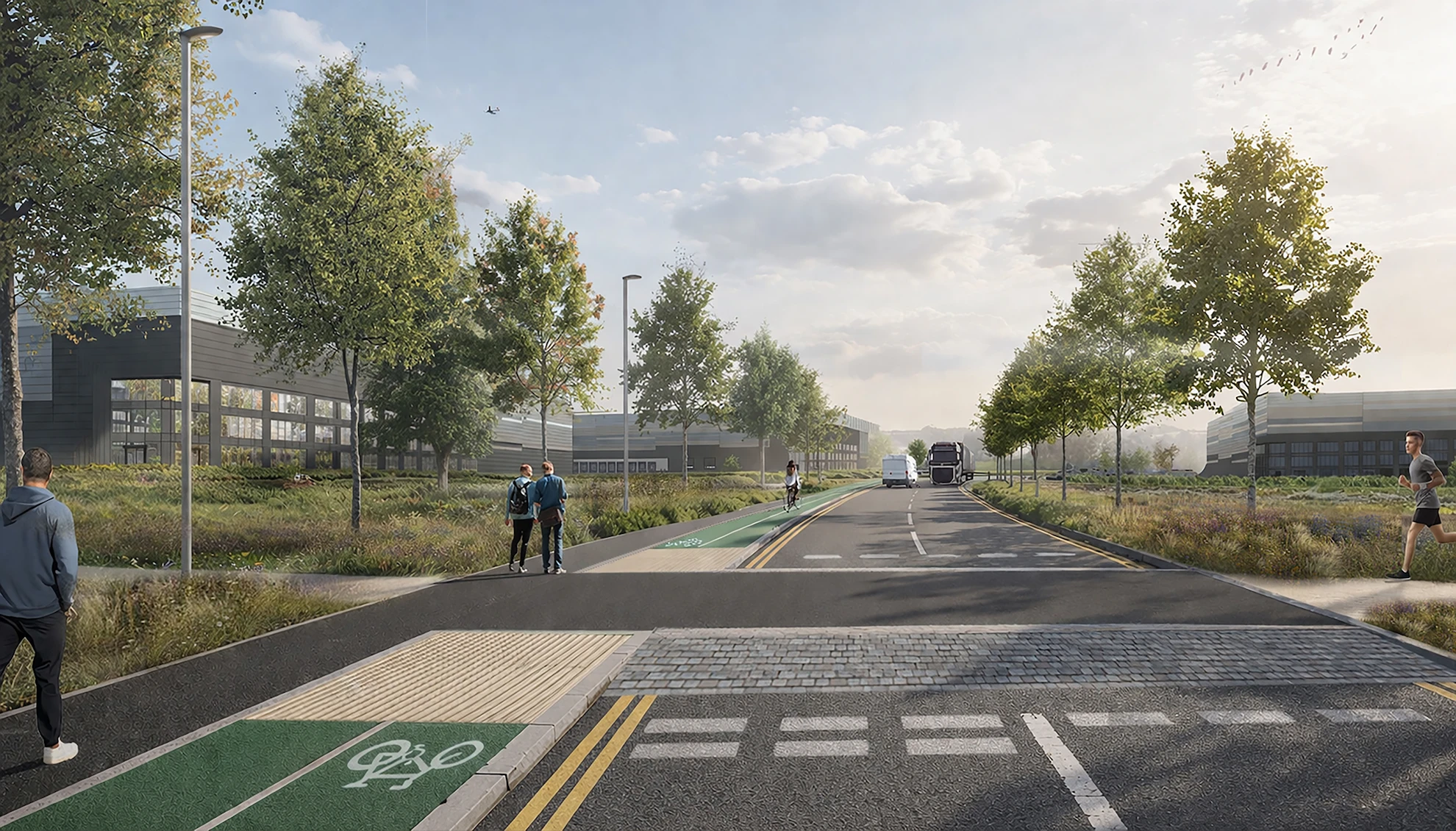
We are committed to delivering the highest feasible design and build standards at Toddington Park. Our objective is to create an exemplary development which acknowledges the site's local character and setting and incorporates sustainability and biodiversity at its heart.
We will achieve this with:
- High quality elevational design to help reduce visual impact
- Planting and green screening
- Sensitive design which ensures buildings sit more comfortably in surrounding landscapes
- Buildings constructed to a BREEAM Excellent rating which recognises best practice in environmental, social and economic sustainability
Whilst the site sits within the Green Belt, our technical work to date considers it to fit within the definition of grey belt in line with National Planning Policy Framework, with the site not strongly contributing to relevant Green Belt purposes.
We are working to mitigate any impacts that Toddington Park might have on the surrounding landscape while aligning with the government’s aspirations to unlock suitable grey belt locations such as this to deliver around 1,500 new on-site jobs.
 ed
ed
Minimising the impact of Toddington Park
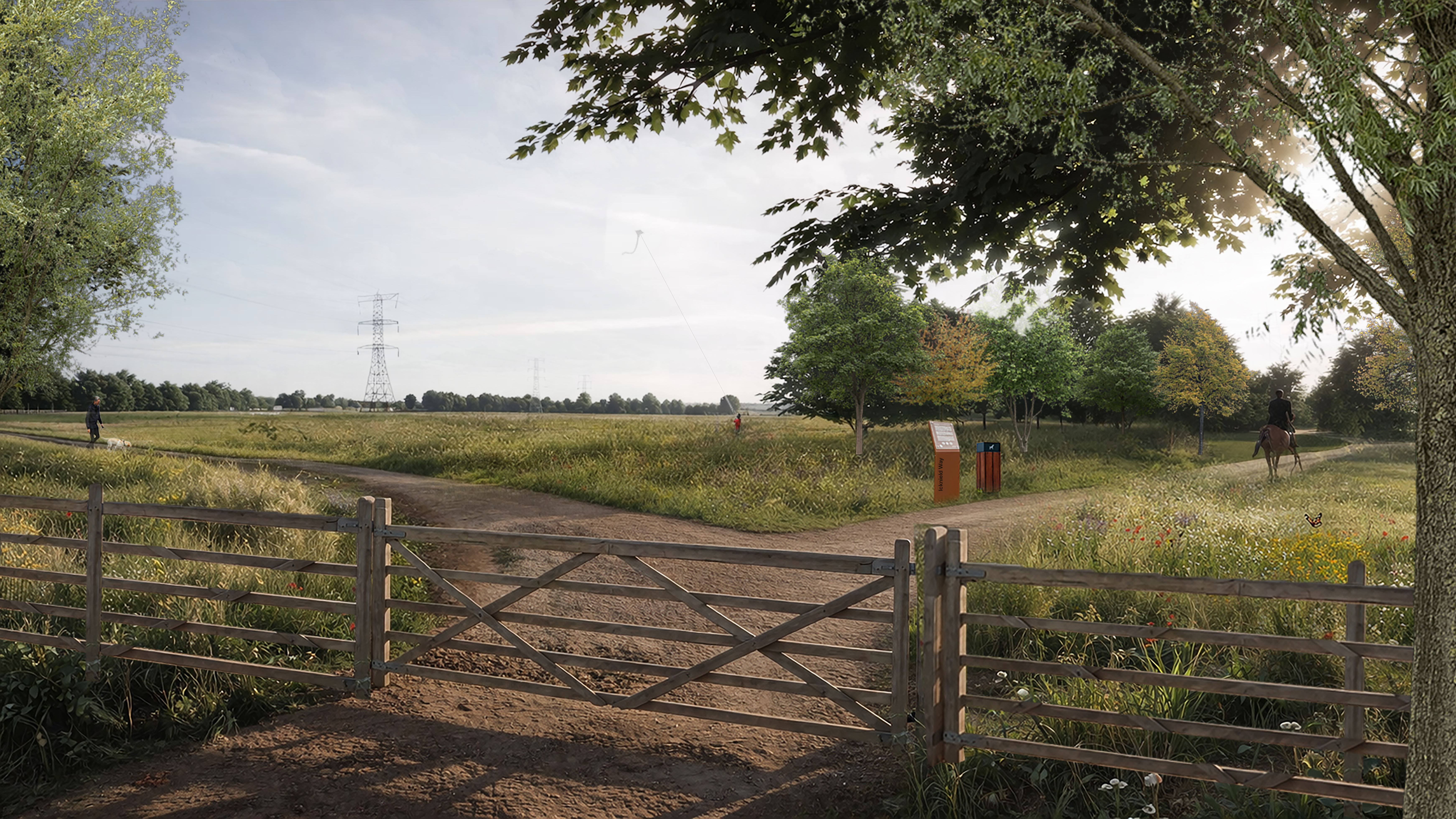
Our proposals have been developed to minimise their effect on the environment. We are committed to delivering a development that respects our neighbours and we are carrying out a full assessment of the potential impacts from Toddington Park.
The results of this will be presented in an Environmental Statement (ES) which will be submitted with the planning application and taken into account by Central Bedfordshire Council and stakeholders during the planning process.
We will incorporate features such as earth bunds and fencing into the wider landscaping strategy to provide permanent mitigation for noise arising from our site. Noise and vibration will be carefully controlled through planning conditions and the requirements of Central Bedfordshire Council as the local planning authority during the construction and operation of Toddington Park.
With our design team we will deliver a range of sustainable drainage solutions on site to help protect the River Flit corridor and surrounding communities from water runoff, flooding and pollution. These measures will be designed to adapt to a changing climate.
A range of methods will be utilised to reduce emissions which include green and blue infrastructure, embracing renewable energy use to help power the proposed buildings and prioritising sustainable modes of transportation.
We would like to thank everyone who provided feedback during our consultation on the draft proposals between 16th April to 6th May 2026. All feedback will be carefully considered by the design team to help shape our final proposals before we submit an outline planning application later this year.